USEFUL INFORMATION

Frequently Asked Questions

About The Matcha Society

What is The Matcha Society?

The Matcha Society is a modern Japanese-inspired lifestyle and ritual brand built around rituals, craftsmanship and intentional living.

Through our tea collection, handcrafted ceramics, workshops and physical spaces, we aim to create meaningful moments of calm, connection and daily ritual.

We believe that even the smallest moments of the day deserve to be experienced with intention.

Why "The Matcha Society"?

The Matcha Society was created to bring together people who appreciate craftsmanship, quality and the beauty of slowing down. What started with a passion for Japanese matcha tea has grown into a community centred around ritual, connection and intentional living.

Understanding Matcha

What is matcha?

Matcha is a finely stone-milled green tea powder made from specially cultivated tea leaves. Unlike regular green tea, where the leaves are steeped and discarded, matcha allows you to consume the entire tea leaf, resulting in a richer flavour, vibrant green colour and a more immersive tea experience.

Deeply rooted in Japanese tea culture, matcha has been enjoyed for centuries as part of daily rituals, moments of reflection and traditional tea ceremonies. Today, it continues to be appreciated around the world for its distinctive flavour, craftsmanship and timeless character.

Because the entire tea leaf is consumed, matcha naturally contains antioxidants, caffeine and L-theanine. The naturally occurring L-theanine works alongside caffeine to create a smoother, more balanced energy experience. Rather than a sudden rush, many people appreciate matcha for its calm focus, sustained alertness and gentle sense of wellbeing throughout the day.

At The Matcha Society, we source our matcha directly from carefully selected tea producers in Southern Japan, a region renowned for its rich volcanic soil, favourable climate and exceptional tea-growing heritage. Each tea is carefully chosen for its quality, flavour profile and the story behind its cultivation.

What does "ceremonial grade" matcha mean?

The term "ceremonial grade" is widely used outside Japan to describe high-quality matcha intended to be enjoyed on its own. In Japan, however, matcha is more commonly evaluated based on factors such as cultivar, harvest timing, shading techniques, origin and flavour profile rather than a formal grading system called "ceremonial grade."

Generally, matcha described as ceremonial grade is produced from carefully cultivated tea leaves, often from the first harvest of the year, and processed with exceptional care to preserve its vibrant colour, smooth texture and complex flavour.

At The Matcha Society, we focus less on marketing grades and more on what truly matters: origin, craftsmanship and taste. We carefully select Japanese matcha that offers balance, sweetness, umami and character, whether enjoyed traditionally with water or in thoughtfully crafted matcha lattes.

Is ceremonial grade a real Japanese classification?

Not exactly.

While the term "ceremonial grade" has become common in Western markets, it is not an official grading system used throughout Japan. Japanese tea producers typically evaluate matcha based on factors such as cultivar, harvest season, terroir, shading methods and flavour profile.

In Western markets, ceremonial grade is generally used to describe matcha that is suitable for drinking on its own, offering a smooth texture, vibrant colour and balanced flavour.

At The Matcha Society, we believe that flavour and craftsmanship matter more than marketing terminology. Rather than selecting tea based on a single label, we focus on origin, producer relationships, harvest quality and the unique character of each tea we offer.

Is your matcha sourced from Japan?

Yes.

All of our matcha is directly sourced from Southern Japan and selected in collaboration with experienced tea producers who share our commitment to quality and craftsmanship.

We believe great matcha begins at origin. For that reason, we focus exclusively on Japanese-grown matcha and work with producers who carefully cultivate, harvest and process their tea using generations of expertise.

Why is high-quality matcha more expensive?

Producing premium first flush matcha is an exceptionally labour-intensive process.

Before harvest, tea plants are shaded for several weeks to develop their flavour and character. Only carefully selected leaves are used, after which stems and veins are removed to create tencha. The tencha is then slowly stone-milled into an ultra-fine powder.

Every step requires time, skill and precision, making authentic Japanese matcha one of the most carefully crafted teas in the world.

What does matcha taste like?

High-quality matcha is naturally smooth, creamy and complex.

Depending on the cultivar, region and harvest, flavour notes may include sweetness, umami, fresh grass, steamed vegetables, nuttiness or subtle floral characteristics.

A well-crafted matcha should feel balanced and vibrant rather than overwhelmingly bitter.

Is matcha bitter?

High-quality matcha should not be overwhelmingly bitter. A well-crafted matcha is typically smooth, balanced and rich in umami, with natural sweetness and a creamy mouthfeel.

That said, some gentle bitterness is a natural part of green tea and contributes to matcha's complexity. The level of bitterness can vary depending on factors such as the cultivar, harvest, shading process and preparation method.

Lower-quality matcha is often noticeably more bitter and astringent, while high-quality matcha offers a more harmonious balance of sweetness, umami and freshness.

Does matcha contain caffeine?

Yes.

Matcha naturally contains caffeine. However, many people experience matcha differently from coffee due to the presence of L-theanine, a naturally occurring amino acid found in tea leaves.

The combination of caffeine and L-theanine is often appreciated for providing a more gradual and balanced energy experience.

Is matcha healthier than coffee?

Both matcha and coffee can be enjoyed as part of a balanced lifestyle.

Many people choose matcha because it contains naturally occurring antioxidants and because the energy experience feels different from coffee. Ultimately, the best choice depends on personal preference and how your body responds.

What is the difference between usucha and koicha?

Usucha, meaning "thin tea", is the most common way of preparing matcha. It is whisked with more water and has a lighter texture with a delicate layer of foam.

Koicha, meaning "thick tea", uses a higher concentration of matcha and less water, creating a richer, more intense preparation traditionally served during formal Japanese tea ceremonies.

Both preparations highlight different aspects of a tea's character and craftsmanship.

Preparation & Care

How do I prepare "Usucha" (traditional matcha with water)?

For a traditional preparation:

  1. Sift 2–3 grams of matcha into a bowl.
  2. Add approximately 70 ml of water at 70–75°C.
  3. Whisk using a bamboo whisk (chasen) in quick W-shaped motions.
  4. Enjoy immediately.

This preparation highlights the natural flavour, aroma and texture of the tea.

Why is matcha prepared differently for a latte?

When preparing matcha for a latte, a more concentrated matcha base is needed so that the flavour of the tea remains present once milk is added.

For a smooth and balanced matcha latte:

  1. Sift 2–3 grams of matcha into a bowl.
  2. Add 18–27 ml of water at 70–75°C.
  3. Whisk until smooth and free of lumps.
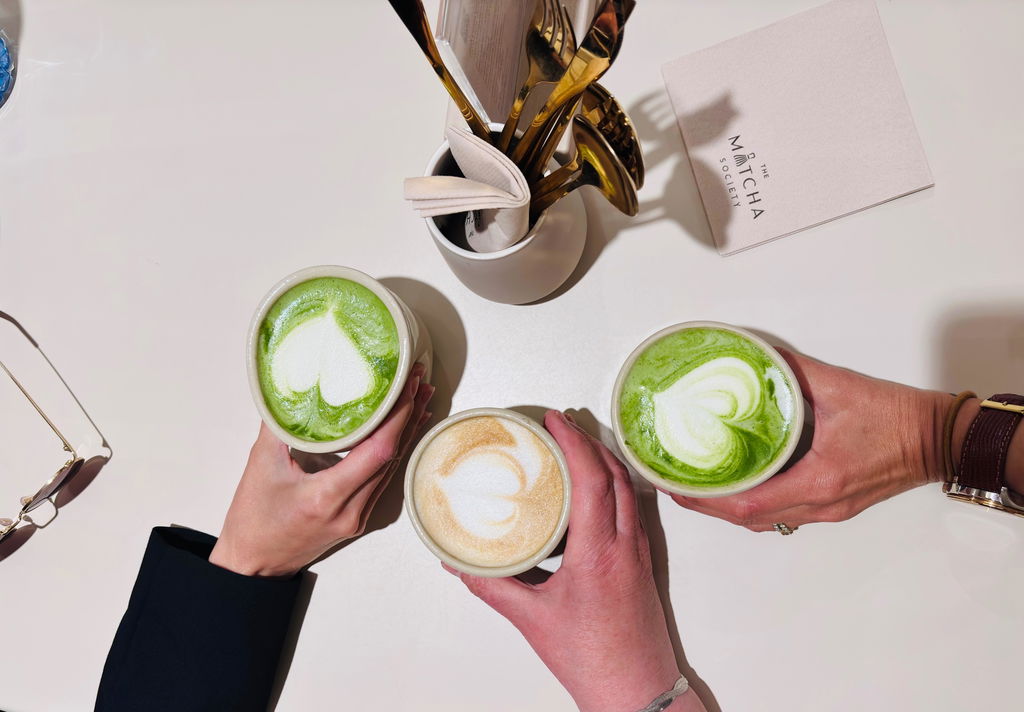
  4. Pour over your preferred warm or cold milk.
  5. Sweeten if desired and enjoy.

For a richer and more pronounced matcha flavour, we recommend using 3 grams of matcha with approximately 27 ml of water. For a lighter latte, 2 grams of matcha with approximately 18 ml of water works well.

Unlike traditional usucha, which is prepared with a larger volume of water, matcha for lattes is whisked with less water to create a concentrated base. This helps preserve the character, aroma and flavour of the matcha when combined with milk.

Why should I use a bamboo whisk?

A bamboo whisk, known as a chasen, is specifically designed for preparing matcha.

Its fine bamboo tines help disperse the powder evenly, minimise clumps and create the smooth, creamy texture associated with properly prepared matcha. The whisk also allows air to be incorporated gently, helping to produce a delicate layer of foam without being overly aggressive.

While electric frothers can be convenient, they tend to introduce more turbulence and heat, which may affect the texture and aroma of the tea. A bamboo whisk offers greater control and remains the traditional method used in Japanese tea preparation.

For the most authentic matcha experience, we recommend preparing matcha with a bamboo whisk whenever possible.

How do I clean my bamboo whisk (chasen)?

After preparing your matcha, rinse the chasen gently under warm water. Avoid using soap, detergents or placing it in a dishwasher, as this can damage the delicate bamboo tines and affect the lifespan of the whisk.

To remove any remaining matcha residue, gently brush between the tines using our Chasen Cleaning Brush. This helps keep the whisk clean while protecting the delicate bamboo from damage.

Once cleaned, shake off excess water and allow the chasen to air dry completely. If possible, store it on a whisk holder (kusenaoshi), which helps maintain its shape and prolong its life.

With proper care and regular cleaning, a bamboo whisk can be used for many months and will continue to help you prepare smooth, beautifully whisked matcha.

Do I need to sift my matcha?

We recommend it.

Sifting helps remove small clumps that naturally occur due to matcha's fine texture and results in a smoother, more even preparation.

How should I store my matcha?

Store your matcha in a cool, dry place away from direct sunlight, moisture and strong odours.

Always reseal the package after use to preserve freshness, flavour and colour.

How long does matcha stay fresh?

Unopened matcha typically remains at its best for up to two years when stored properly. You can find the best-before date on the packaging.

Once opened, matcha is best enjoyed within a few months for the freshest flavour, aroma and vibrant green colour. How long it stays fresh depends largely on how it is stored.

To preserve quality, keep matcha tightly sealed, away from heat, moisture, light and strong odours. For optimal freshness, store it in an airtight container in the refrigerator and allow it to return to room temperature before opening to prevent condensation.

While matcha can remain enjoyable for longer, its flavour, aroma and colour will gradually become less vibrant over time. When stored well, opened matcha is typically best enjoyed within 3–6 months, although it may remain perfectly safe to consume beyond that period. Freshness ultimately depends on storage conditions and exposure to air, light, heat and moisture.

What is a chasen?

A chasen is a traditional bamboo whisk used to prepare matcha.

Handcrafted from a single piece of bamboo, it has been used in Japanese tea preparation for centuries and remains an essential tool for creating a smooth and balanced bowl of matcha.

Ceramics

What is a chawan?

A chawan is the traditional bowl used for preparing and drinking matcha. Its shape provides ample space for whisking while enhancing the tactile and visual experience of the tea ritual.

All of our chawans are handmade in the south of the Netherlands and embrace a wabi-sabi aesthetic, celebrating the beauty of craftsmanship, character and subtle imperfections. Because each bowl is individually shaped, no two are exactly alike.

The shape and texture of a chawan can also influence the whisking experience. The gentle contours and handcrafted surface create slightly more resistance for the bamboo whisk (chasen), helping to incorporate air into the matcha and making it easier to achieve a smooth, rich and creamy layer of froth.

Beyond functionality, a chawan transforms the preparation of matcha into a mindful ritual, inviting you to slow down and fully appreciate the tea.

Do you sell authentic Japanese ceramics?

Yes.

Our collection includes authentic Japanese ceramics, including handcrafted pieces from renowned pottery regions such as Hagi in Japan. Carefully selected for their craftsmanship, character and functionality, these ceramics reflect the rich traditions of Japanese tea culture while elevating the everyday tea experience.

Because many pieces are handmade, slight variations in colour, shape, texture and glaze are to be expected and form part of their unique character. No two pieces are exactly alike, making each one a distinctive expression of the artisan's work.

Visiting Our Stores

Where are your stores located?

The Matcha Society currently operates physical locations in Maastricht (2 locations) and Utrecht.

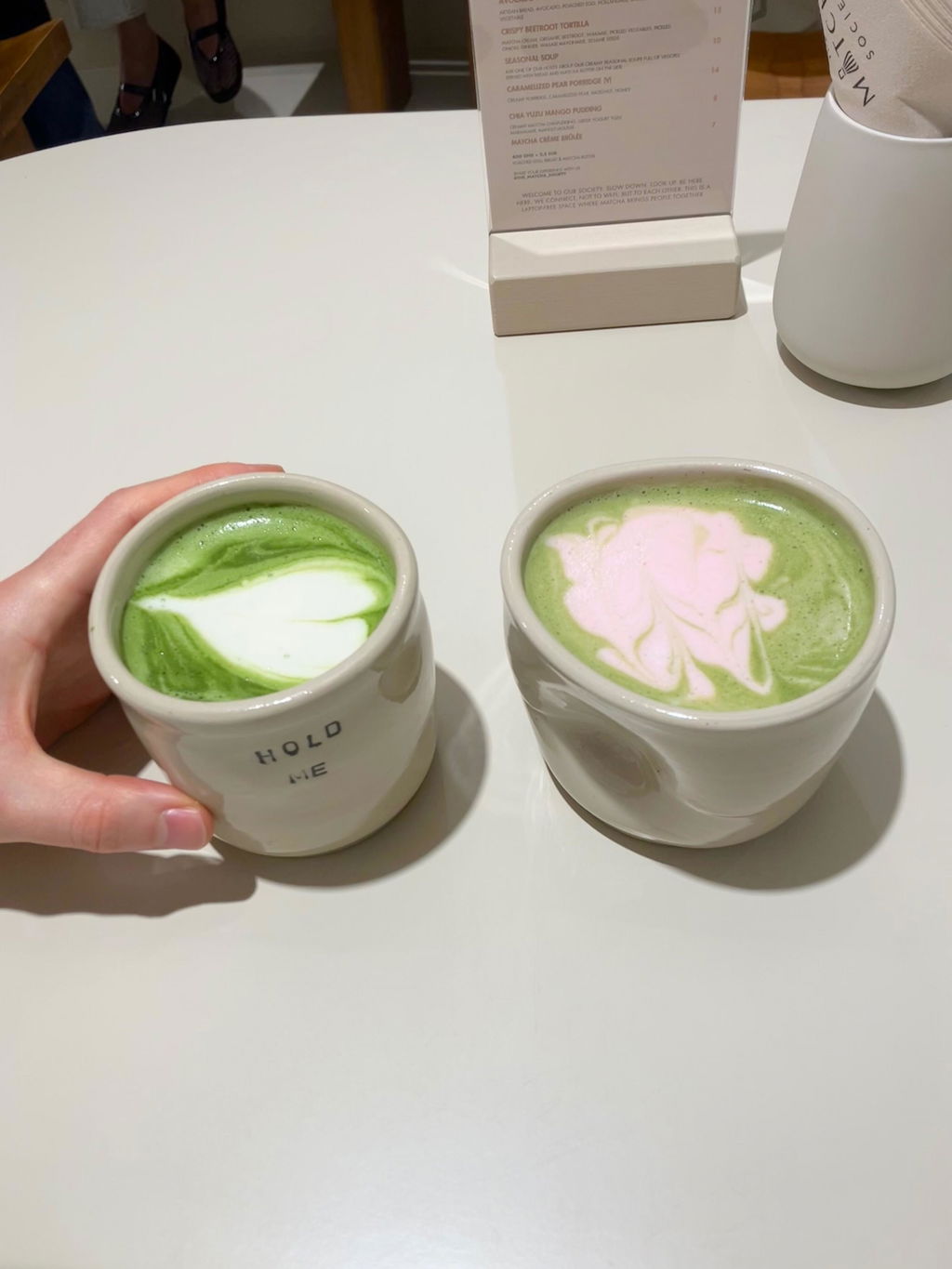
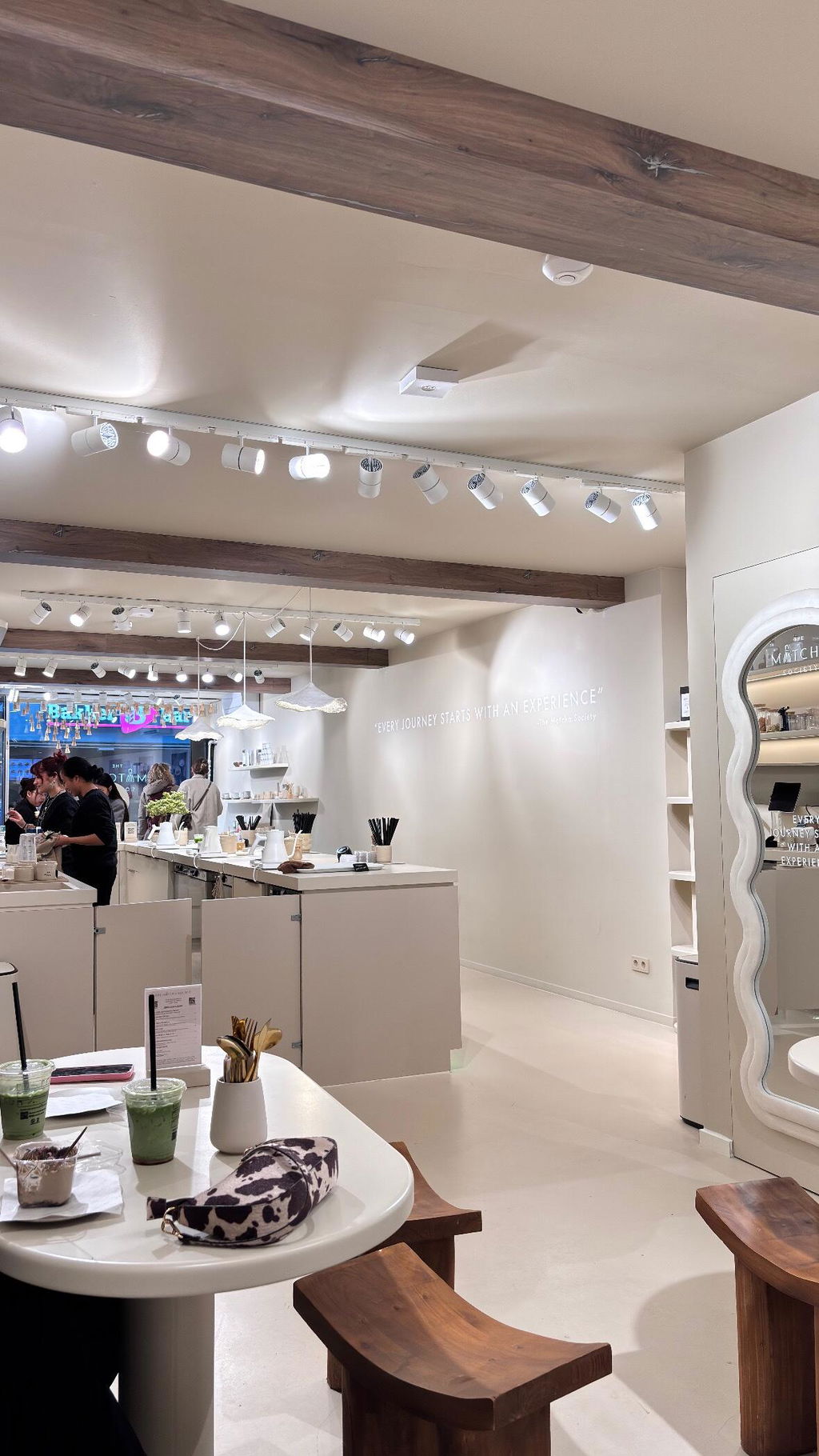
Our stores combine premium Japanese tea, handcrafted ceramics, curated lifestyle products and seasonal menu offerings in spaces designed around calm, connection and daily ritual.

Additional locations are currently in development. A fourth location is being planned in 2026. Follow our journey @the_matcha_society on Instagram to stay informed.

Can I visit without a reservation?

Absolutely.

Our stores are open to both regular visitors and guests discovering matcha for the first time. No reservation is required for everyday visits.

What can I expect in your stores?

The Matcha Society is more than a café. It's a Japanese lifestyle and ritual brand.

Our spaces are designed as modern sanctuaries inspired by Japanese aesthetics and intentional living. Alongside matcha, you will find handcrafted ceramics, accessories, candles, books and carefully curated lifestyle products.

Every location is designed to offer a moment of calm within everyday life.

Do you offer brunch?

Yes.

At our Utrecht location, we offer a carefully curated, minimalist brunch menu inspired by Japanese flavours and ingredients. Rather than an extensive menu, we focus on a small selection of thoughtfully crafted dishes designed to pair beautifully with our matcha, hojicha and speciality teas.

Brunch is currently available from Thursday to Sunday and only in our Utrecht location.

Workshops

What happens during a Matcha Workshop?

Our workshops introduce guests to the world of Japanese matcha through a hands-on and interactive experience.

Guests learn about the history of matcha, Japanese tea culture, preparation techniques, tea tools and tasting methods while preparing and enjoying matcha themselves.

How long does a workshop take?

Most Matcha Workshops take approximately 75 minutes.

Do I need experience to join a workshop?

Not at all.

Our workshops are designed for complete beginners as well as experienced tea enthusiasts looking to deepen their understanding of matcha.

How do I reserve a workshop?

Workshop bookings open at the end of each month for the following month and can be reserved through our website.

Available dates may vary depending on the availability of a Dutch-speaking or English-speaking workshop host. If you have a preference for a workshop in either Dutch or English, or would like to enquire whether a specific date will be hosted in Dutch or English, please contact us at info@the-matcha-society.com.

Can I book a private workshop?

Yes.

We offer private workshops for groups, companies, team events, celebrations and special occasions.

If you are looking for a private workshop, a group booking or cannot find a suitable date, please email us at info@the-matcha-society.com and we will be happy to explore the possibilities with you.

Online Orders & Shipping

Are you opening more locations?

Yes.

The Matcha Society continues to grow, and we are actively working on new locations to bring our rituals, experiences and intentional living products to more people.

Follow us on Instagram @the_matcha_society and on our Society channel via Instagram, or subscribe to our newsletter to be the first to hear about upcoming openings, events and product launches.

Can I order The Matcha Society products online?

Yes.

Our online store offers a curated selection of matcha, hojicha, tea accessories, ceramics, candles and lifestyle products inspired by Japanese tea culture.

Availability may vary, as some products are handcrafted or produced in limited quantities. We regularly introduce new seasonal items and collections throughout the year.

Do you ship internationally?

Yes.

We ship to a growing number of countries across Europe and beyond. Available shipping destinations, delivery times and shipping costs are displayed during checkout.

If your country is not available at checkout, please contact us at info@the-matcha-society.com and we will be happy to explore the possibilities.

How long does shipping take?

Orders are typically processed within 1–3 business days. Once dispatched, delivery times vary depending on the destination and shipping method selected.

We work hard to ensure your matcha ritual reaches you promptly. Carefully preparing and shipping your order is one of our highest priorities.

Should your shipment not arrive as expected, or if you have any questions regarding your order, please contact us at info@the-matcha-society.com and we will be happy to assist you.

Wholesale & Franchise

Do you offer wholesale opportunities?

Yes.

We work with a select number of cafés, restaurants, retailers, hotels and hospitality partners who share our passion for quality and exceptional guest experiences.

As high-quality Japanese matcha is a seasonal and limited agricultural product, we carefully manage our allocations each year. We always prioritise securing sufficient supply for our own stores and Society first. Based on the remaining allocated quantities available, we selectively consider wholesale partnerships and requests.

Our wholesale programme may offer access to our matcha, hojicha and selected retail products, alongside guidance on preparation, presentation and product knowledge where appropriate.

If you are interested in exploring a wholesale partnership, please contact us at info@the-matcha-society.com with some information about your business, expected volumes and intended use. We would be delighted to learn more about your concept and discuss the possibilities.

Do you offer franchise opportunities?

Yes.

The Matcha Society is a family-owned business founded on a passion for Japanese matcha tea culture, craftsmanship and meaningful guest experiences.

After carefully developing our concept and completing the necessary legal and operational preparations, we are pleased to offer franchise opportunities to a select number of entrepreneurs who share our vision and values.

We are looking for partners who are passionate about hospitality, quality, community and building long-term relationships with their guests. Franchise partners gain access to our brand, operational knowledge, training, product sourcing and ongoing support.

As we believe in sustainable growth, we carefully evaluate each application to ensure there is a strong mutual fit.

If you are interested in exploring a franchise opportunity with The Matcha Society, please contact us at info@the-matcha-society.com and tell us more about yourself, your background and the location or market you have in mind.